

How do I store pure titanium wires properly?
Jan 02, 2026
Leave a message
Hey there! I'm a supplier of pure titanium wires, and I often get asked about the proper way to store these wires. It's crucial because improper storage can lead to all sorts of issues, like corrosion, which can seriously affect the quality of the wires. So, in this blog, I'll share some tips on how to store pure titanium wires properly.
First off, let's talk about the environment. Pure titanium wires are pretty hardy, but they're not invincible. They can react with certain elements in the air and on surfaces if they're not stored right. The ideal storage environment for pure titanium wires is a cool, dry place. Humidity is the enemy here. High humidity can cause the wires to rust or develop a layer of oxidation over time. So, if you're storing them in a warehouse or a storage room, make sure the humidity level is kept low. You can use dehumidifiers to control the moisture in the air.
Temperature also plays a role. Extreme temperatures can affect the physical properties of the titanium wires. You don't want to store them in a place that gets too hot or too cold. A stable, moderate temperature is best. Room temperature is usually a good bet. Avoid areas near heaters, air - conditioners, or direct sunlight, as these can create temperature fluctuations that aren't good for the wires.
Now, let's move on to the actual storage containers. You need to choose the right containers to keep your pure titanium wires safe. Plastic or metal containers can work well, but they should be clean and dry before you put the wires in. Avoid using containers that have been previously used to store chemicals or other substances that could contaminate the titanium.
If you're using plastic containers, make sure they're made of a high - quality, non - reactive plastic. Some plastics can release chemicals over time that might react with the titanium. Metal containers should be made of a non - corrosive metal, like stainless steel. This way, you won't have to worry about the container itself rusting and transferring rust particles to the wires.
When you're placing the wires in the containers, try to avoid overcrowding. Overcrowding can cause the wires to rub against each other, which might lead to scratches. Scratches can expose the inner layers of the titanium to the air, increasing the risk of oxidation. You can use dividers or individual compartments within the container to keep the wires separate.
Another important thing is to label the containers clearly. Mark them with the grade of the titanium wire, the quantity, and the date of storage. This will make it easier for you to keep track of your inventory and know which wires have been stored for how long.
Speaking of grades, we offer different grades of pure titanium wires, such as Gr1 Titanium Wire, Gr2 Titanium Wire, and Gr4 Titanium Wire. Each grade has its own unique properties and applications, and proper storage is essential for maintaining their quality regardless of the grade.
It's also a good idea to perform regular inspections of the stored wires. Check for any signs of corrosion, discoloration, or damage. If you notice any issues, it's best to address them right away. You might need to clean the wires or move them to a different storage location.
When it comes to long - term storage, you can take some extra precautions. You can coat the wires with a thin layer of a protective oil or grease. This can provide an additional barrier against moisture and oxidation. However, make sure the oil or grease you use is compatible with titanium and won't leave any residues that could affect the performance of the wires later on.
If you're shipping the pure titanium wires, the same principles of storage apply during transit. Make sure the packaging is sturdy and can protect the wires from physical damage and environmental factors. You can use cushioning materials inside the shipping boxes to prevent the wires from moving around too much.

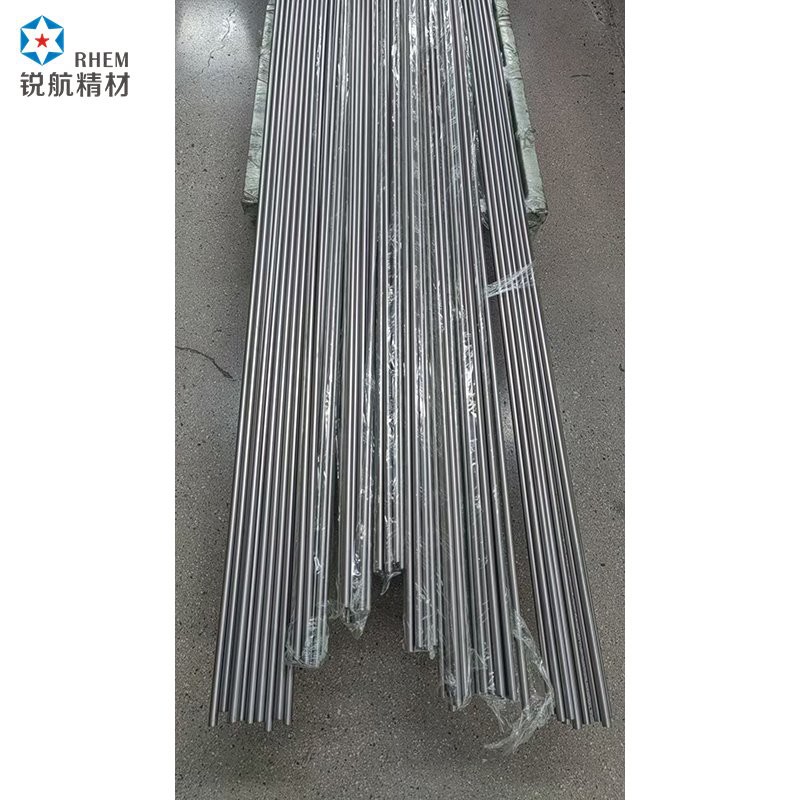
In addition to these storage tips, it's important to handle the pure titanium wires carefully during the storage process. Wear clean gloves to avoid transferring oils and dirt from your hands to the wires. And use proper lifting and handling equipment to prevent bending or kinking the wires.
To sum it up, proper storage of pure titanium wires involves creating a suitable environment, choosing the right containers, avoiding overcrowding, labeling clearly, performing regular inspections, and taking extra precautions for long - term storage. By following these tips, you can ensure that your pure titanium wires stay in top - notch condition for as long as possible.
If you're in the market for high - quality pure titanium wires, whether it's Gr1 Titanium Wire, Gr2 Titanium Wire, or Gr4 Titanium Wire, I'd love to have a chat with you. Feel free to reach out to discuss your requirements and start a procurement process.
References:
- "Titanium: A Technical Guide" by John R. Davis
- Various industry reports on titanium wire storage and handling.