

Can titanium wires be used in electronic devices?
May 08, 2026
Leave a message
Hey there! As a supplier of titanium wires, I often get asked if titanium wires can be used in electronic devices. Well, the short answer is yes! Titanium wires have some pretty amazing properties that make them a great fit for a variety of electronic applications. Let's dive in and explore this topic in more detail.
Properties of Titanium Wires
First off, let's talk about what makes titanium wires so special. Titanium is a super strong and lightweight metal. It has a high strength - to - weight ratio, which means you can get a lot of strength without adding a ton of extra weight. This is a huge plus in electronic devices, where every ounce matters.
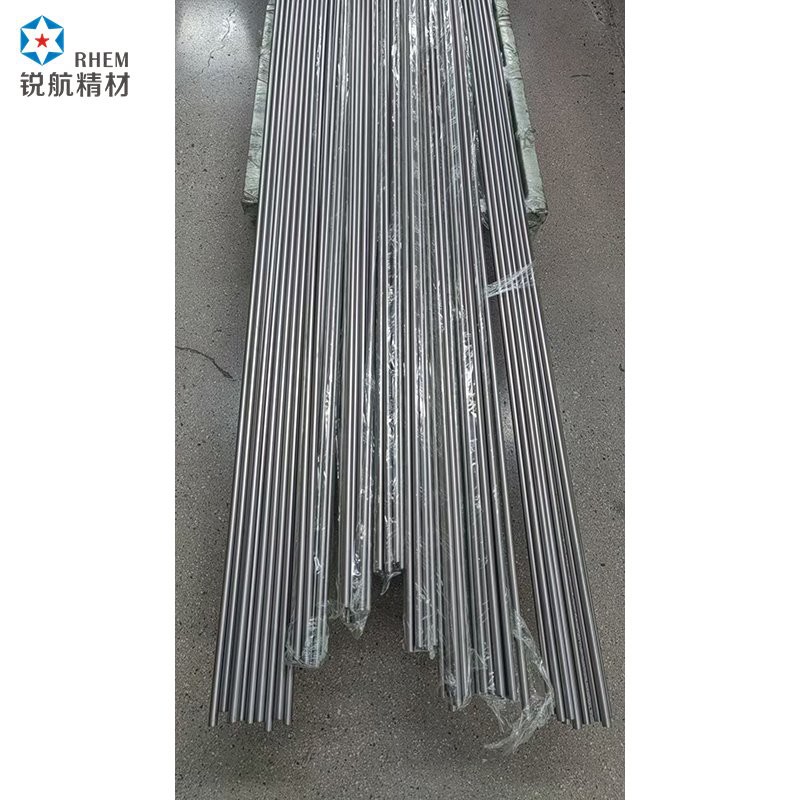

Another great property of titanium is its corrosion resistance. Electronic devices are often exposed to different environments, and corrosion can be a real problem. Titanium wires can withstand moisture, chemicals, and other harsh conditions without rusting or degrading. This helps to extend the lifespan of the electronic components.
Titanium also has good electrical conductivity. While it's not as conductive as copper or silver, it still conducts electricity well enough for many electronic applications. And in some cases, its moderate conductivity can be an advantage, especially when you need to control the flow of electricity.
Applications in Electronic Devices
Circuit Boards
Titanium wires can be used in circuit boards. They can act as interconnects, helping to transfer electrical signals between different components on the board. Their strength and corrosion resistance mean that they can maintain a reliable connection over time, even in tough conditions. For example, in aerospace electronics, where reliability is crucial, titanium wires can be a great choice.
Sensors
Sensors are an important part of many electronic devices. Titanium wires can be used in sensors due to their ability to respond to changes in the environment. For instance, some sensors use titanium wires to detect changes in temperature, pressure, or chemical composition. The wires can change their electrical properties in response to these changes, allowing the sensor to send accurate signals.
Batteries
Titanium wires can also play a role in batteries. They can be used as electrodes or current collectors. Titanium's stability and corrosion resistance make it a good material for use in battery systems, especially in high - performance or long - life batteries.
Different Grades of Titanium Wires for Electronics
There are different grades of titanium wires, and each has its own set of properties that make it suitable for specific applications in electronics.
- Gr1 Titanium Wire: This is a pure titanium wire. It's highly ductile and has excellent corrosion resistance. Gr1 Titanium Wire is often used in applications where formability is important, such as in flexible electronic components. You can find more information about it here.
- Gr2 Titanium Wire: Similar to Gr1, but with slightly higher strength. It's also very corrosion - resistant and is commonly used in a wide range of electronic applications where a balance of strength and formability is needed. Check out Gr2 Titanium Wire for more details.
- Gr5 Ti 6AI 4V Titanium Wire: This is an alloy of titanium with aluminum and vanadium. It has a much higher strength compared to pure titanium grades. Gr5 is often used in applications where high strength is required, such as in high - performance electronic devices or in aerospace electronics. You can learn more about Gr5 Ti 6AI 4V Titanium Wire.
Challenges and Considerations
Of course, using titanium wires in electronic devices isn't without its challenges. One of the main issues is the cost. Titanium is more expensive than some other metals commonly used in electronics, like copper. This can make it less attractive for mass - market consumer electronics where cost is a major factor.
Another challenge is the processing of titanium wires. Titanium can be difficult to work with, especially when it comes to soldering. Special techniques and materials are often required to ensure a good connection between the titanium wire and other components.
Conclusion
So, can titanium wires be used in electronic devices? Absolutely! Their unique properties make them a great option for a variety of applications, from circuit boards to sensors and batteries. While there are some challenges to overcome, the benefits of using titanium wires in electronics are significant.
If you're in the market for titanium wires for your electronic projects, we're here to help. We offer a wide range of titanium wire grades, each carefully manufactured to meet the highest quality standards. Whether you need a small quantity for a prototype or a large order for mass production, we've got you covered. Get in touch with us to discuss your specific requirements and start exploring the possibilities of using titanium wires in your electronic devices.
References
- "Titanium and Titanium Alloys: Fundamentals and Applications" by R. Boyer, G. Welsch, and E. W. Collings.
- "Handbook of Electronic Materials" edited by D. L. Pulfrey and S. M. Sze.