

Are pure titanium wires suitable for 3D printing?
Jan 02, 2026
Leave a message
Hey there! I'm a supplier of pure titanium wires, and I often get asked if these wires are suitable for 3D printing. Well, let's dig into this topic and find out.
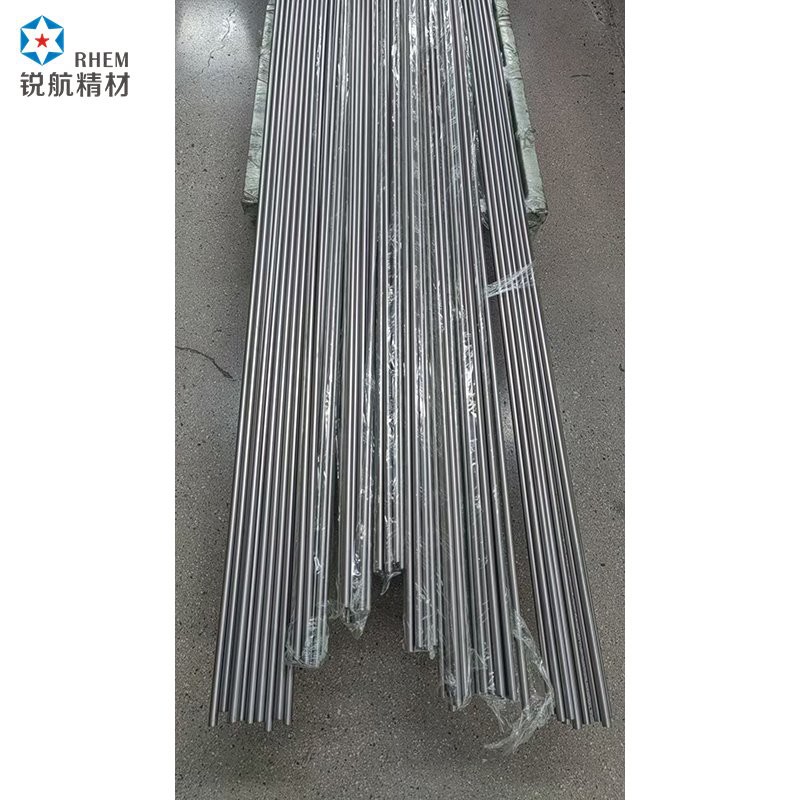
First off, let's talk a bit about pure titanium wires. We offer different grades, like Gr2 Titanium Wire, Gr4 Titanium Wire, and Gr3 Titanium Wire. Each grade has its own unique properties, which can affect how well it works for 3D printing.
Properties of Pure Titanium Wires
Pure titanium is known for its excellent corrosion resistance, high strength-to-weight ratio, and biocompatibility. These properties make it a popular choice in various industries, including aerospace, medical, and automotive. But how do these properties translate to 3D printing?

Corrosion Resistance
In 3D printing, corrosion resistance is crucial, especially for parts that will be exposed to harsh environments. Pure titanium wires can withstand corrosion from chemicals, moisture, and saltwater, which means that 3D printed parts made from these wires will have a longer lifespan. For example, in the marine industry, 3D printed components made from pure titanium wires can resist the corrosive effects of saltwater, reducing maintenance costs and downtime.
Strength-to-Weight Ratio
The high strength-to-weight ratio of pure titanium is a game-changer in 3D printing. It allows for the creation of lightweight yet strong parts. This is particularly important in the aerospace industry, where reducing weight can lead to significant fuel savings. With 3D printing, complex geometries can be created using pure titanium wires, optimizing the strength and weight of the parts.
Biocompatibility
In the medical field, biocompatibility is essential. Pure titanium is non-toxic and does not cause adverse reactions in the human body. This makes it ideal for 3D printing medical implants, such as dental implants and bone plates. 3D printing allows for the customization of these implants to fit the specific needs of patients, improving the success rate of medical procedures.
Challenges of Using Pure Titanium Wires in 3D Printing
While pure titanium wires have many advantages, there are also some challenges associated with using them in 3D printing.
Cost
One of the main challenges is the cost. Pure titanium is more expensive than other materials commonly used in 3D printing, such as plastics and aluminum. The high cost of the raw material, combined with the energy-intensive 3D printing process, can make the final product quite pricey. However, as the demand for 3D printed titanium parts increases and technology advances, the cost is expected to come down.
Printing Process
The 3D printing process for pure titanium wires is more complex than for other materials. Titanium has a high melting point, which requires specialized equipment and high energy consumption. Additionally, titanium is highly reactive with oxygen at high temperatures, which can lead to oxidation and porosity in the printed parts. To overcome these issues, the printing process needs to be carried out in an inert gas environment, such as argon.
Post-Processing
After 3D printing, pure titanium parts often require post-processing to achieve the desired surface finish and mechanical properties. This can include heat treatment, machining, and polishing. Post-processing adds to the overall cost and time of the production process.
Suitable 3D Printing Technologies for Pure Titanium Wires
Not all 3D printing technologies are suitable for pure titanium wires. Here are some of the most commonly used technologies:
Powder Bed Fusion
Powder bed fusion is a popular 3D printing technology for pure titanium. It involves spreading a thin layer of titanium powder and then selectively melting it using a laser or an electron beam. This technology allows for the creation of complex geometries with high precision. However, it requires a high level of expertise and specialized equipment.
Directed Energy Deposition
Directed energy deposition uses a focused energy source, such as a laser or an electron beam, to melt and deposit titanium wire or powder onto a substrate. This technology is suitable for large-scale parts and repair applications. It offers a high deposition rate but may have lower precision compared to powder bed fusion.
Applications of 3D Printed Pure Titanium Parts
Despite the challenges, 3D printed pure titanium parts have a wide range of applications.
Aerospace
In the aerospace industry, 3D printed pure titanium parts are used for components such as engine brackets, structural frames, and fuel system parts. The ability to create complex geometries and lightweight parts makes 3D printing with pure titanium wires an attractive option for aerospace manufacturers.
Medical
As mentioned earlier, the medical field benefits greatly from 3D printed pure titanium parts. Dental implants, bone plates, and surgical instruments can be customized using 3D printing, improving patient outcomes. The biocompatibility of pure titanium ensures that these implants are well-tolerated by the human body.
Automotive
In the automotive industry, 3D printed pure titanium parts can be used for high-performance applications, such as engine components and suspension parts. The high strength-to-weight ratio of titanium can improve the performance and fuel efficiency of vehicles.
Conclusion
So, are pure titanium wires suitable for 3D printing? The answer is yes, but with some considerations. The unique properties of pure titanium, such as corrosion resistance, high strength-to-weight ratio, and biocompatibility, make it a great choice for 3D printing in various industries. However, the high cost, complex printing process, and post-processing requirements need to be taken into account.
If you're interested in exploring the possibilities of 3D printing with pure titanium wires, I'd love to have a chat with you. Whether you're in the aerospace, medical, or automotive industry, we can work together to find the best solution for your needs. Contact me to start a discussion about your 3D printing projects and how our pure titanium wires can make a difference.
References
- "Titanium: Properties, Processing, and Applications" by John C. Williams
- "Additive Manufacturing Technologies: 3D Printing, Rapid Prototyping, and Direct Digital Manufacturing" by Ian Gibson, David W. Rosen, and Brent Stucker
- "Biomedical Applications of Titanium and Its Alloys" by Yong Huang and Yubo Fan