

How Does 3D Printing Change Titanium Material Applications For Consumer Electronics?
Sep 24, 2026
Leave a message

Source: © Apple Inc. | iPhone Duo render
Titanium alloys, known as "space‑age metals", feature high strength, light weight, excellent corrosion resistance and favorable biocompatibility. They are widely used in aerospace and high‑end medical sectors. Nevertheless, conventional forging and CNC machining incur high costs, generate substantial material waste, and struggle to fabricate complex components, which has prevented large‑scale adoption in consumer electronics.
Traditional CNC is a subtractive manufacturing process. Its material utilization rate for titanium blanks stands at merely 30%‑40%, with massive amounts of titanium turned into metal chips. It also suffers heavy tool wear and low efficiency, while integrated complex structures such as hollow and lattice structures are difficult to produce. Previously, titanium alloys were mostly adopted only as premium decorative components for smartphones, smartwatches and foldable devices, and their structural advantages could not be leveraged. Thanks to advances in metal 3D‑printing technology that enable mass production at the million‑unit scale, titanium alloys are making inroads into consumer electronics.
I. 3D Printing Reinvents Manufacturing Logic and Breaks Boundaries Between Craftsmanship and Performance
1.Innovative manufacturing logic
Using ultra‑fine spherical titanium powder as feedstock, components are formed layer‑by‑layer via laser melting and deposition.
2.Exceptionally high material utilization
Nearly 100% material utilization drastically cuts raw‑material losses.
3.High forming freedom
Enables monolithic manufacturing of intricate structures unachievable by traditional processes, including internal lattices, hollow flow channels and profiled reinforcing ribs.
4.Balanced performance and lightweighting
Reduces weight while preserving structural rigidity, drop resistance and corrosion resistance.
5.Alignment with consumer‑electronics requirements
Perfectly meets the core demands of consumer electronics for "thinner, lighter and more robust" products.
II. Mass‑Production Adoption by Leading Brands Validates Commercial Viability
1.Apple
The casings of Apple Watch Ultra 3 and titanium‑edition Series 11 adopt 3D‑printing technology with 100% aerospace‑grade recycled titanium powder. Each watch case is built by stacking hundreds of powder layers, cutting raw‑material consumption by 50% and saving over 400 tons of titanium feedstock annually, marking large‑scale commercial deployment.
2.iPhone
3D‑printed titanium alloy is introduced for components of the USB‑C‑equipped iPhone Air.
3.Domestic manufacturers (OPPO, Honor)
3D‑printed titanium alloy is applied to hinges and end caps of foldable phones. It delivers lighter devices, slimmer hinges and improved structural strength, removing bottlenecks for foldable‑device miniaturization.
III. Transforming Design Paradigms and Reshaping Consumer‑Electronics Hardware Form Factors
1.Core transformation
This represents far more than material substitution - it is a revolution in consumer‑electronics design paradigms.
Reversed design logic: Traditional designs must accommodate manufacturing constraints; 3D printing allows manufacturing processes to follow design intent.
2.Advantages of structural integration
Reinforcing structures, antenna clearances, waterproof sealing and other features can be integrated within confined spaces, cutting component counts and simplifying assembly.
3.Enhanced material performance
Replacing aluminum alloys and stainless steel with titanium alloys lowers overall device weight while boosting scratch resistance and corrosion resistance.
4.Product categories set to benefit
Wearables, foldable smartphones, premium earbuds, portable laptops and other high‑end hardware gain new avenues for product upgrading.
IV. Maturing Supply Chains Drive Broader Industry Adoption
Advancements across supporting supply‑chain segments accelerate titanium‑material penetration. Continuous improvements in spherical titanium‑powder production, printing equipment, post‑processing polishing and surface‑coloring techniques, coupled with falling costs of domestically produced titanium powder, are turning 3D‑printed titanium alloy from high‑cost custom parts into a material compatible with consumer‑electronics cost frameworks. Meanwhile, large‑scale application of recycled titanium powder reconciles product performance with low‑carbon manufacturing, aligning with global brands' carbon‑neutrality strategies and becoming a key pillar of green supply chains for premium consumer goods.
V. Promising Outlook: Titanium Materials Enter a New Era of Popularization
The industry roadmap for the future is clear: adoption will start with smartwatch casings, foldable‑phone hinges and small interface components, before expanding to large‑size structural parts such as smartphone middle frames and laptop housings. As equipment capacity, printing speed and yield rates keep improving, 3D‑printed titanium alloy will spread from flagship devices to a wider range of mid‑to‑high‑end 3C products.
The use of titanium alloys in consumer electronics is no longer a conceptual idea. By overcoming cost and forming limitations of titanium processing, 3D printing transforms aerospace‑grade titanium into a mainstream structural material for 3C products. Driven by demands for lightweight design, high reliability and green manufacturing, 3D‑printed titanium alloy will reshape hardware design and performance of consumer electronics and usher in a brand‑new era for titanium‑material applications in the 3C sector.

Gr 5 Titanium Alloy Round Bar
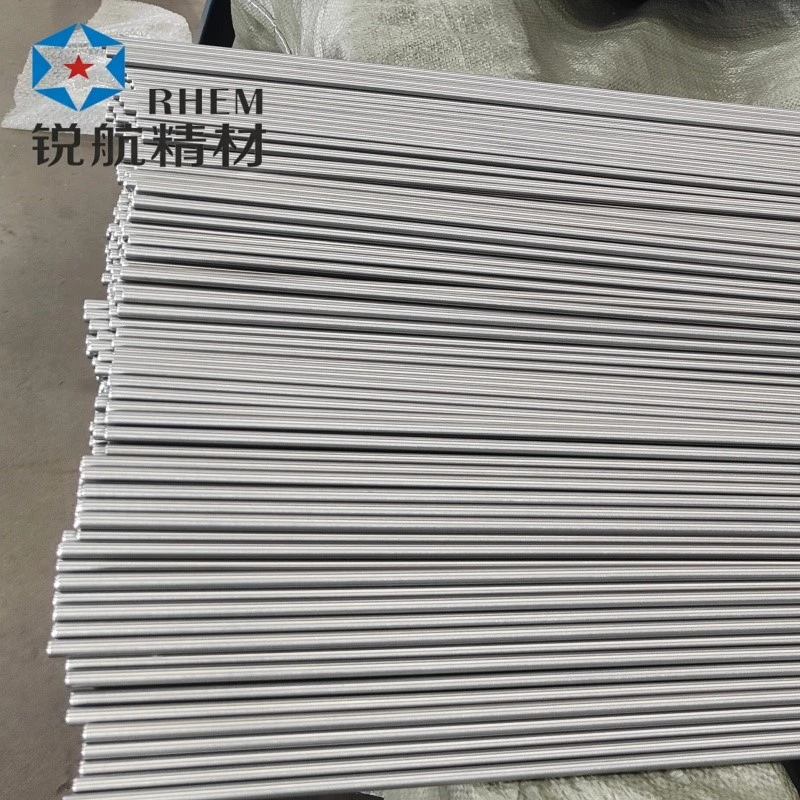
Titanium Alloy Round Bar
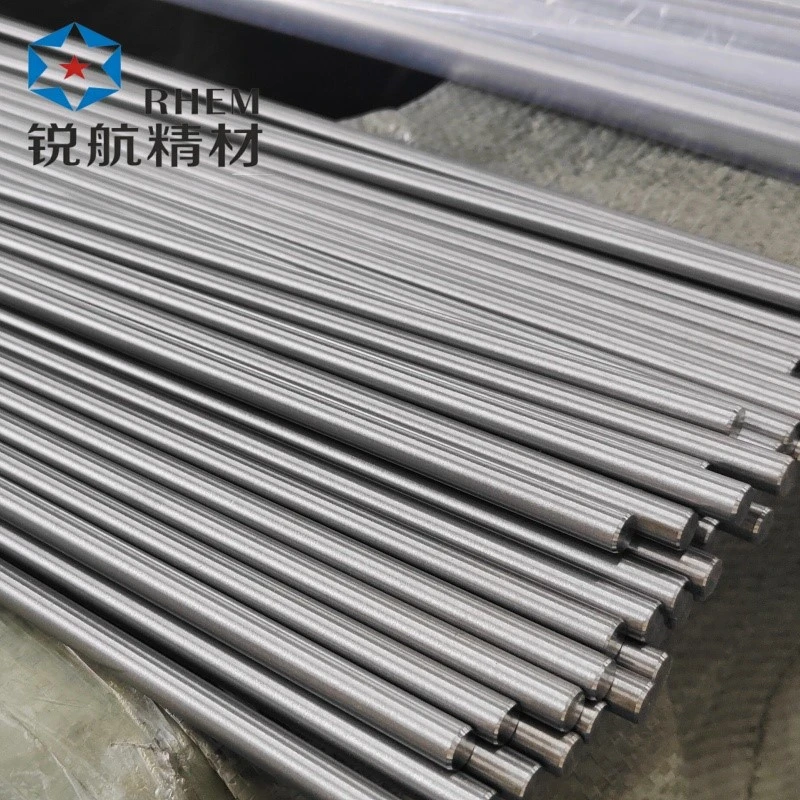
Grade 5 Titanium Alloy Round Bar
Ruihang Group is well-positioned to meet your titanium product needs. For inquiries and quotations, please contact us at Sam.Rui@bjrh-titanium.com.