

Do pure titanium wires have good fatigue resistance?
Jun 29, 2026
Leave a message
Hey there! As a supplier of pure titanium wires, I often get asked, "Do pure titanium wires have good fatigue resistance?" Well, let's dive right into this topic and find out.
First off, let's understand what fatigue resistance means. Fatigue resistance is the ability of a material to withstand cyclic loading without failing. In simpler terms, if a material is used in a situation where it's constantly being stressed and relaxed, like in a vibrating machine part or a repeatedly bent structure, its fatigue resistance determines how long it'll last before breaking.
Now, when it comes to pure titanium wires, they've got some pretty impressive properties that contribute to their fatigue resistance. Titanium, in general, is known for its high strength - to - weight ratio. This means it can handle a good amount of stress while being relatively light. Pure titanium wires inherit this strength, which is a great starting point for good fatigue resistance.
One of the key factors that affect the fatigue resistance of pure titanium wires is their microstructure. The way the titanium atoms are arranged in the wire can have a big impact on how it responds to cyclic loading. For example, a fine - grained microstructure often leads to better fatigue resistance. When the grains are small, there are more grain boundaries, and these boundaries can act as barriers to the propagation of cracks. Cracks are the main culprits in fatigue failure, as they start small and grow over time with each cycle of loading until the material finally breaks.
Another important aspect is the purity of the titanium. As a supplier, we offer high - quality pure titanium wires, like our High Purity Titanium Grade3 Wires. Higher purity titanium has fewer impurities, which means there are fewer weak points in the wire where cracks can start to form. Impurities can act as stress concentrators, making it easier for cracks to initiate and grow. So, purer titanium wires tend to have better fatigue resistance.
Let's talk about some real - world applications where the fatigue resistance of pure titanium wires matters. In the aerospace industry, for instance, these wires are used in various components such as aircraft engines and airframe structures. These parts are subjected to extreme vibrations and cyclic stresses during flight. A wire with poor fatigue resistance could fail prematurely, leading to serious safety issues. That's why our Gr2 Titanium Wire is a popular choice in aerospace applications. It has the right balance of strength and fatigue resistance to handle the demanding conditions.
In the medical field, pure titanium wires are used in orthopedic implants and dental appliances. These devices need to last for a long time inside the human body, where they're constantly subjected to the forces of normal movement. Good fatigue resistance ensures that the wires won't break or deform over time, which is crucial for the success of the treatment. Our Titanium Grade2 Wires are often used in these applications because of their excellent biocompatibility and fatigue - resistant properties.
However, it's important to note that the fatigue resistance of pure titanium wires isn't just about the material itself. The way the wires are processed and manufactured also plays a significant role. For example, the drawing process, which is used to reduce the diameter of the wire, can affect its grain structure and surface finish. A smooth surface finish is important because rough surfaces can also act as stress concentrators and promote crack initiation. At our company, we pay close attention to these manufacturing details to ensure that our pure titanium wires have the best possible fatigue resistance.
The shape and size of the pure titanium wires can also impact their fatigue resistance. Thicker wires may be able to handle more stress in general, but in some cases, a thinner wire with a proper design may be more fatigue - resistant due to its ability to distribute stress more evenly. The cross - sectional shape of the wire, whether it's round, square, or flat, can also affect how it responds to cyclic loading.
Let's take a look at some data and research. Several studies have shown that pure titanium wires can have fatigue lives comparable to or even better than some other commonly used metals in certain applications. For example, in a study comparing the fatigue resistance of titanium and steel wires in a vibrating machinery environment, the titanium wires showed longer fatigue lives. This is because of titanium's unique combination of strength, corrosion resistance, and the ability to resist crack growth.
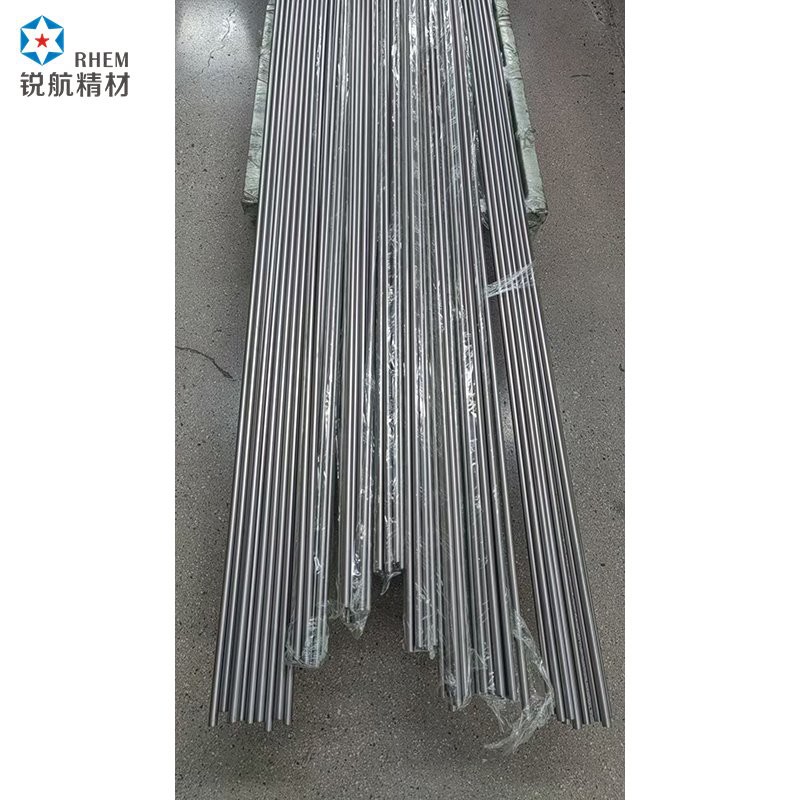
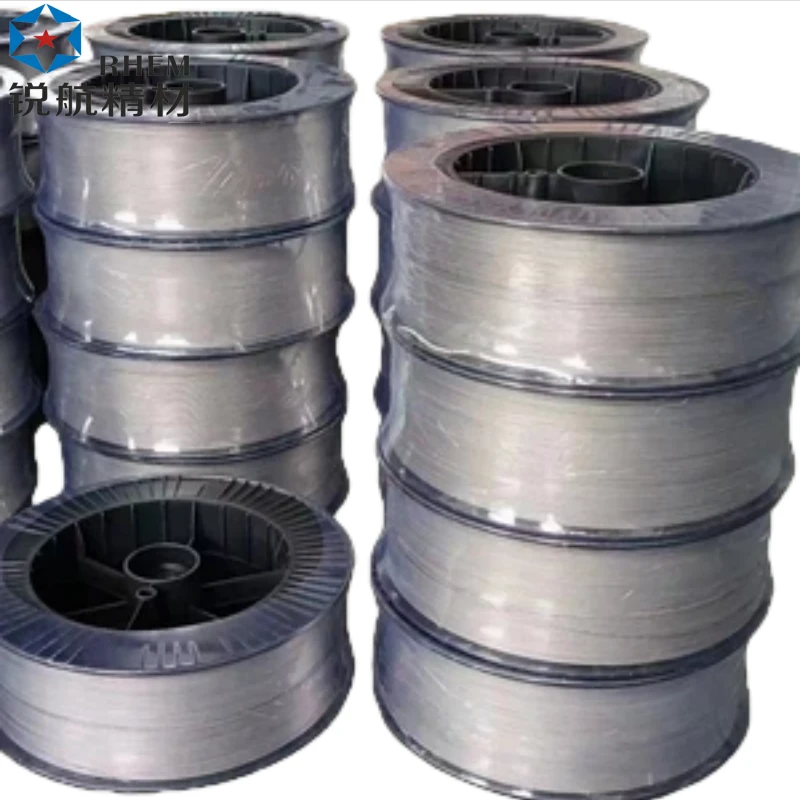
Of course, like any material, the fatigue resistance of pure titanium wires has its limits. If the cyclic loads are too high, or if the environment is extremely harsh (for example, high - temperature and corrosive conditions), the fatigue life of the wires may be reduced. But with proper design, material selection, and maintenance, pure titanium wires can provide reliable performance in a wide range of applications.
In conclusion, pure titanium wires generally have good fatigue resistance. Their high strength - to - weight ratio, purity, and proper manufacturing processes all contribute to this property. Whether it's in aerospace, medical, or other industries, pure titanium wires can be a great choice when fatigue resistance is a key requirement.
If you're in the market for high - quality pure titanium wires with excellent fatigue resistance, we're here to help. We've got a wide range of products, including High Purity Titanium Grade3 Wires, Gr2 Titanium Wire, and Titanium Grade2 Wires. Contact us to discuss your specific needs and let's start a great partnership together!
References:
- Various studies on the mechanical properties of titanium materials from leading research institutions.
- Industry reports on the use of titanium wires in aerospace and medical applications.