

Why Choose Titanium Alloy Powered Smartwatches?
Oct 09, 2026
Leave a message

The smart wearable industry has shifted from feature‑driven competition to texture‑oriented upgrading. Consumers' demands for smartwatches extend far beyond battery life, health monitoring and message alerts. Body material has become a key factor determining product grade and wearing comfort. Alongside stainless steel, aluminum alloy and ceramic, titanium alloy, boasting low weight, high strength, corrosion resistance and skin‑friendly properties, is emerging as a preferred material for high‑end smartwatches, greatly elevating the overall wearable experience.
I. Iterative Upgrade of Materials
In the early days of the smartwatch industry, brands competed for market share by enhancing hardware, functions and battery performance, adding sensors, optimizing operating systems and expanding battery capacity. As the industry matures and product functions grow increasingly homogeneous, consumer demands have evolved. Users no longer settle for basic functionality; they also prioritize wearing comfort, durability, visual texture and skin‑friendliness. Since the watch case stays in contact with the skin all day long, its material defines core wearing experience. Traditional metallic materials show obvious drawbacks, and titanium alloy with well‑rounded performance has become a vital option for material upgrading of high‑end smartwatches.
II. Standout Core Advantages
1. Ultra‑lightweight: Free from Wrist Burden
Traditional stainless‑steel watches are relatively heavy and may strain the wrist after long‑time wear. Though aluminum alloy is light, it features low hardness and is prone to scratches and deformation. The density of titanium alloy is around 60 % that of stainless steel. It combines high strength and light weight, delivering a weight‑free wearing experience for commuting, workouts and overnight sleep monitoring.
2. High Strength, Corrosion and Wear Resistance: Sustained Brand‑New Look
Titanium alloy possesses high specific strength, resisting dents and deformation from bumps. Its stable native oxide film protects it against corrosion from sweat, rainwater and chemicals, eliminating the need for surface plating. It resists fading and mottling over long‑term use, preserving its original appearance and solving the pain point of rapid watch aging.
3. Biocompatible and Hypoallergenic: All‑day Wear for Sensitive Skin
Ordinary alloys often contain nickel, which may trigger skin redness and allergic reactions when exposed to sweat. Titanium alloy features excellent biocompatibility with no allergenic ingredients and will not react with sweat, enabling prolonged close‑skin wear for all skin types.
III. Barriers in Manufacturing Processes
Apart from superior material properties, high processing difficulty also accounts for titanium alloy's adoption in premium smartwatches. Titanium is highly viscous and hard to cut. CNC machining, grinding, sandblasting and other procedures demand strict standards, bringing high material loss and long production cycles.
Sophisticated craftsmanship creates premium texture. Treated with wire‑drawing, sandblasting and polishing, titanium‑alloy watch cases deliver soft, subtle luster with both technological flair and understated luxury, different from the harsh, glaring reflection of stainless steel.
Adopting titanium alloy represents more than a material upgrade for brands. It helps elevate product positioning and escape homogeneous competition, turning smartwatches into exquisite wrist‑worn pieces. Many flagship models today pair titanium‑alloy cases with ceramic bezels and sapphire glass to balance texture and practicality.
IV. Industry Status and Future Outlook
1. Current Limitations
Large‑scale application of titanium alloy faces bottlenecks: expensive raw materials, complex processing and high material loss push up overall costs. Forming and repair are challenging and require advanced equipment and expertise. For now, titanium alloy is mostly limited to brand flagship products and hardly accessible for mid‑to‑low‑end models.
2. Future Development Prospects
Smart wearables are moving toward refinement and high‑end positioning, with consumers paying more attention to texture, experience and safety. Titanium alloy's comprehensive strengths align well with the requirements of premium watches. With improved manufacturing techniques, higher efficiency and lower costs in the future, titanium alloy is expected to penetrate the mid‑range market. It is more than a simple replacement for watch‑case materials; it marks an underlying upgrade for wearable‑device experience, merging technology with subtle luxury and charting the course for the high‑end wearable sector.
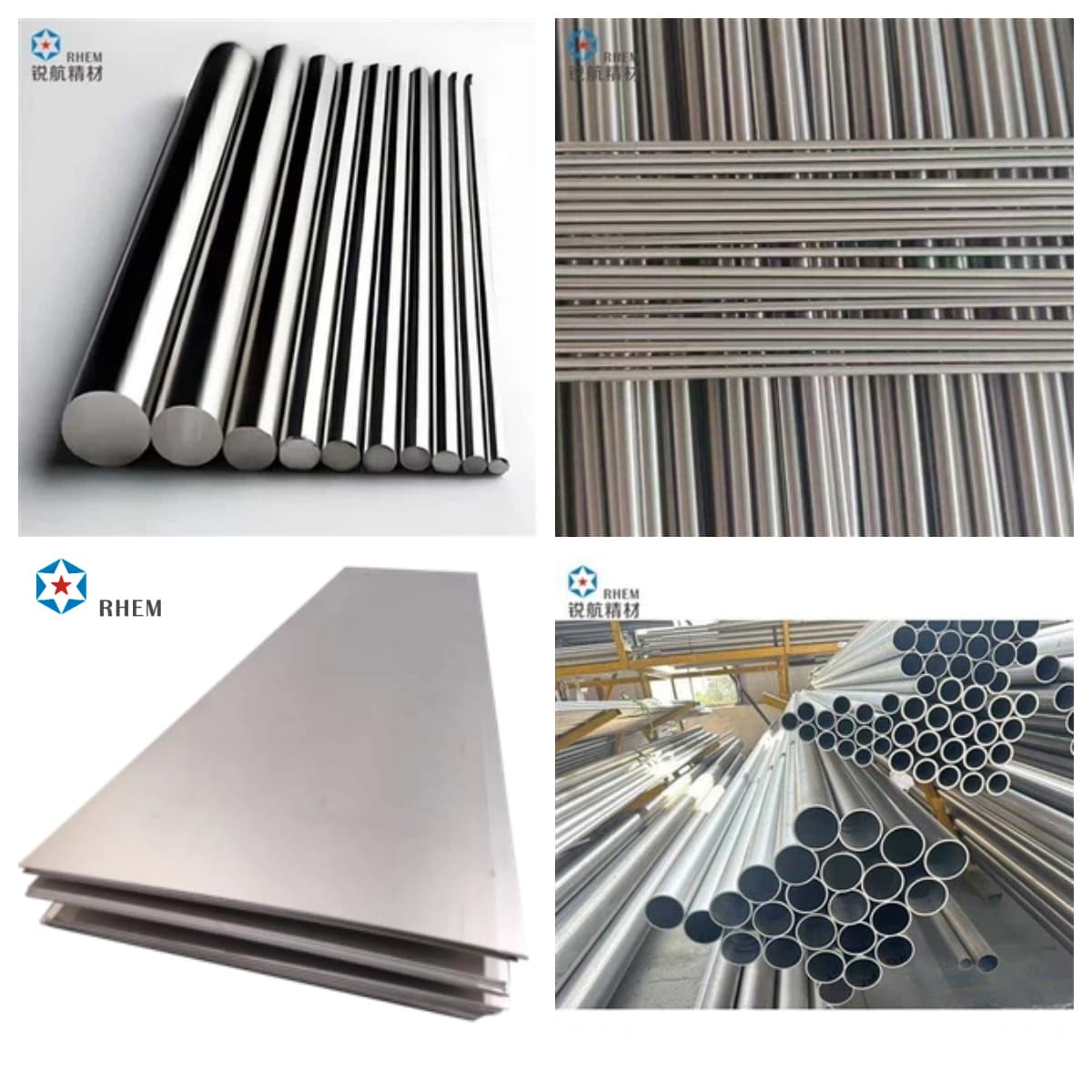
Ruihang Group is well-positioned to meet your titanium product needs. For inquiries and quotations, please contact us at Sam.Rui@bjrh-titanium.com.