

From Sci-Fi To Reality: Titanium Alloys Build The Bionic Spines Of Tomorrow
May 21, 2026
Leave a message

From the Mark suits that let Tony Stark fly and fight in Iron Man, to the AMP suits operated by humans in Avatar, and the powered exoskeletons worn by rescue team members in The Wandering Earth, the "mechanical outerwear" in sci-fi movies that endow humans with extraordinary strength was once a distant dream in countless people's hearts. In this leap from sci-fi to reality, one metal plays a vital role - titanium alloy, known as the "space metal", is supporting the "bionic spine" of exoskeleton robots with its unparalleled performance advantages.
I. A Century-Old Dilemma of Exoskeletons
Exoskeleton technology has an early origin, and the first powered exoskeleton was eliminated due to excessive self-weight. For a long time, traditional metal materials have trapped exoskeletons in a dilemma: high strength comes with heavy weight, while weight reduction sacrifices strength. The high self-weight increases the wearing burden and greatly reduces practicality. Only titanium alloy combined with 3D printing technology has broken this deadlock, achieving both toughness and lightweight.
II. Titanium Alloy
Titanium alloy has four major advantages that perfectly resolve the conflict between weight and strength of exoskeletons:
1.Ultra-high specific strength:
Much lower density than steel with equivalent strength to high-strength steel. It reduces weight by 30%-40% under the same load capacity, greatly lowering driving load and extending equipment battery life.
2.Excellent fatigue resistance:
Resists high-frequency reciprocating motion, with a service life far exceeding ordinary metals. It is not easy to damage after long-term use, resulting in lower operation and maintenance costs.
3. Good biocompatibility:
Fits the human body without allergies or rejection, non-magnetic, suitable for wearing in medical rehabilitation and other scenarios.
4. Outstanding plasticity:
Diverse alloy formulations can be customized. Combined with 3D printing, it can fabricate complex bionic hollow structures that conform to human biomechanics, balancing sturdiness and lightness.
III. Titanium Alloy Builds the Bionic Skeleton of Exoskeletons
Exoskeletons draw on the mechanical structure of the human spine, and a complete bionic mechanical architecture is built with titanium alloy.
1. Bionic spine:
Traditional aluminum is heavy and inflexible. 3D-printed titanium alloy mesh spine achieves both high strength and light weight, accurately replicating the movement posture of the human spine and greatly sharing the human body's load pressure.
2. Key joints:
Shoulder, hip, knee and other joints bear heavy force and are prone to wear. Titanium alloy features remarkable weight reduction and stronger fatigue resistance, becoming the industry's standard choice for flexible operation and long service life.
3.Composite lightweight architecture:
High-end exoskeletons adopt a carbon fiber + titanium alloy design. Carbon fiber is used for lightweight non-load-bearing parts, while titanium alloy undertakes core load-bearing structures. Representative models have extremely low overall weight, are lightweight to wear, and effectively reduce human physical exertion.
IV. China's Strength: A Global Leader in Titanium Alloy Exoskeletons
With the rapid development of China's titanium industry and the national strategy for humanoid robots, China has achieved a leap from following to leading in the field of titanium alloy exoskeletons.
Policy support has triggered an industrial boom. According to the China Nonferrous Metals Industry Association, orders for titanium alloy for robots in China surged by 217% year-on-year in the first quarter of 2025, with monthly production exceeding 80 tons - three times higher than the same period in 2023. The usage ratio of titanium alloy and carbon fiber composite materials in key load-bearing components rose rapidly from 31% in 2022 to 68% in 2025, directly driving the average weight reduction of exoskeletons by 34%.
On the product side, Chinese enterprises have launched a number of titanium alloy exoskeleton products with internationally advanced levels:
- Haier Exoskeleton W3: The world's lightest AI sports exoskeleton at 1.75 kg, adopting full carbon fiber + titanium alloy design
- Jike X Ultra S: Equipped with aerospace-grade 3D-printed titanium alloy hip connecting rods, peak torque 22 N·m, supporting a maximum walking speed of 25 km/h
- Maibao Intelligent XTAND: Knee exoskeleton weighing only 1.3 kg, winner of the 2025 German Red Dot Design Award
- Fourier Intelligence GR-2: Upper limb rehabilitation exoskeleton, titanium alloy joints achieve ±0.15° repeat positioning accuracy
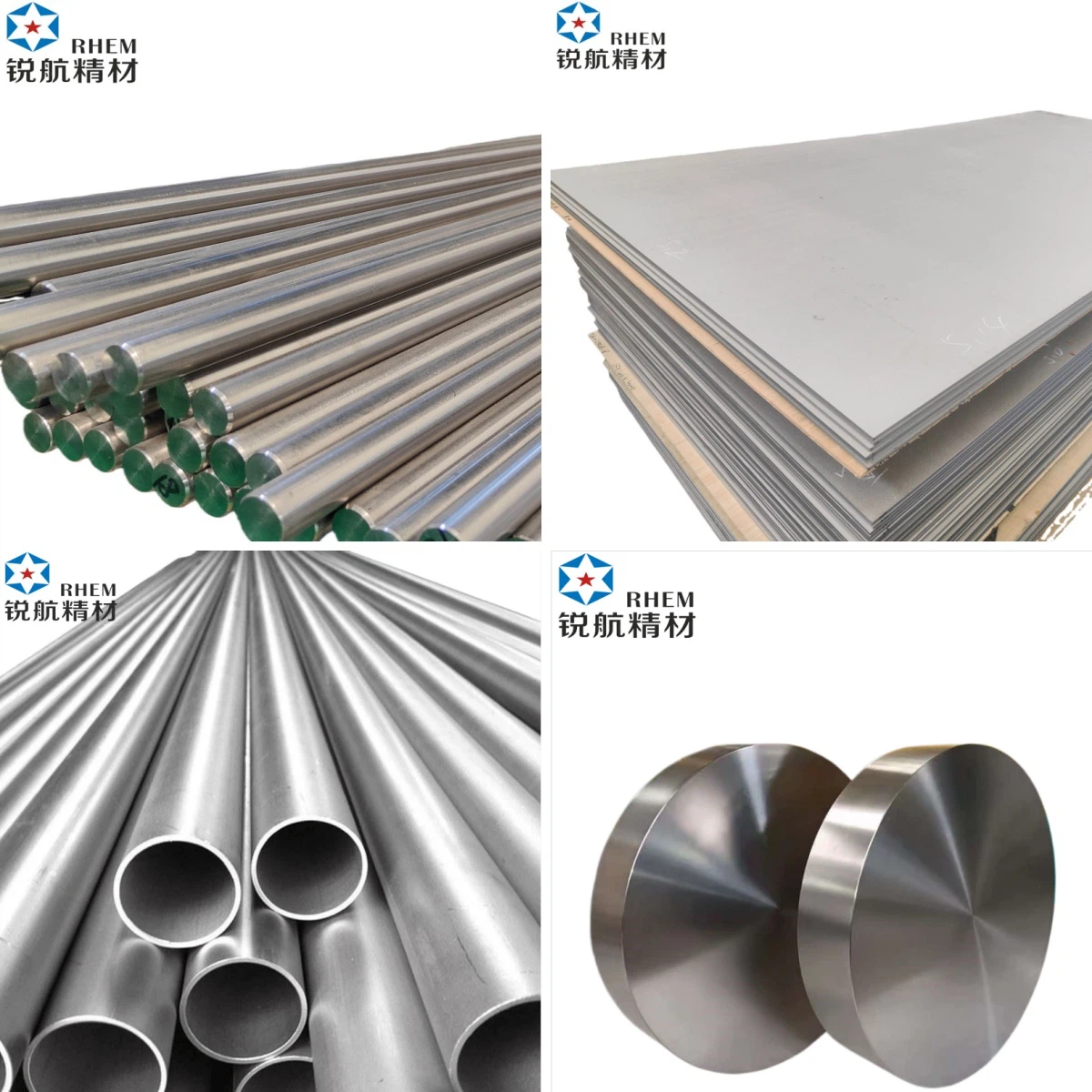
Ruihang,as a professional manufacturer, is specialized in R&D,production and sales for titanium and titanium alloy products,includingtitanium &titaniumalloy Plate/Sheet, Bar, Pipe, Ring, Forging Stock & Section.The quality carried to the standard of AMS, ASTM, MIL, ISO, GB, GJB.If you need titanium as the raw material for further production, please contact us via email:Sam.Rui@bjrh-titanium.com